Goalscorer watch
Player props mentioned
If you are using anytime scorer, assist or shots markets, confirm whether the player market is marked PowerSub, Super Sub, Safe Sub or similar.
World Cup news
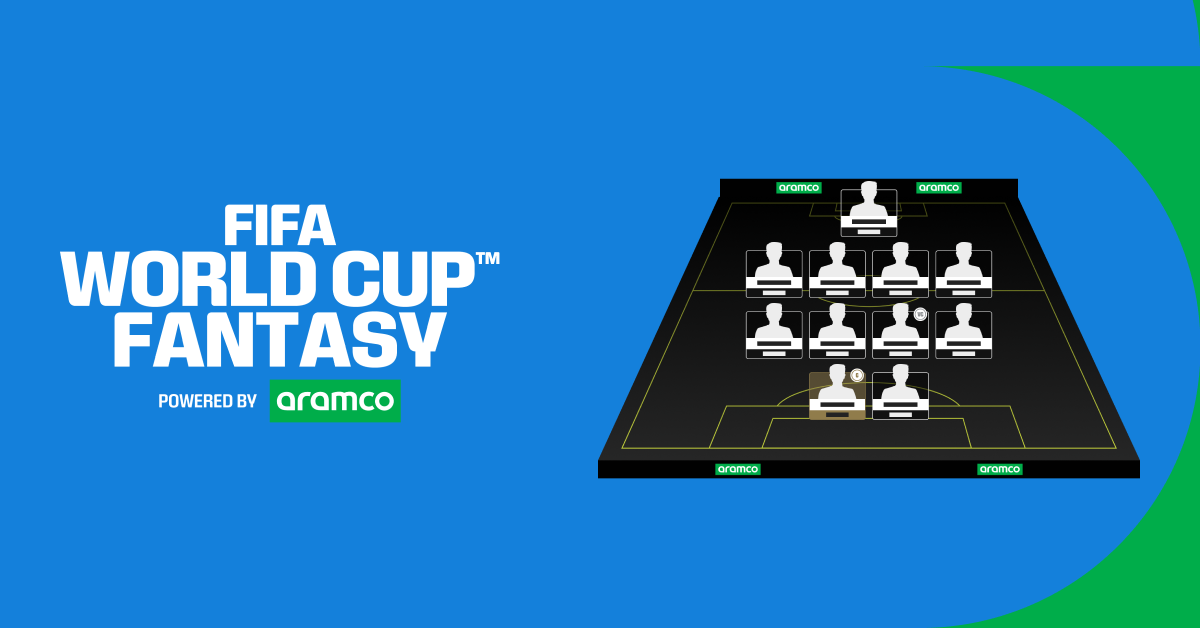
The official FIFA World Cup Fantasy 2026 game is live. Here is the fast rules guide for building a 15-player squad, managing captains, transfers, boosters and scoring.
World Cup Super Sub angle
Goalscorers, assists, shots and cards can be hurt by early substitutions. Before backing a player prop, check whether the bookmaker labels the market as PowerSub, Super Sub, Safe Sub, Impact Sub or similar.
Goalscorer watch
If you are using anytime scorer, assist or shots markets, confirm whether the player market is marked PowerSub, Super Sub, Safe Sub or similar.
Substitution risk
World Cup squads can manage minutes. A protected player market can matter when an attacker starts but may not play the full match.
Best next page
Compare how substitute betting works before staking on goals, assists, shots, cards or fouls.
FIFA World Cup Fantasy 2026 is the official free-to-play fantasy football game for the tournament. You build a 15-player squad, stay inside a $100m budget, choose a captain and then manage transfers, substitutions and boosters as the World Cup moves from the group stage into knockouts.
The important point for serious players is that this is not a set-and-forget Premier League-style season game. The World Cup format rewards fixture timing, live captain changes, bench planning and knowing when a booster is worth more than saving it.
Quick facts
Squad
15 players: 2 GK, 5 DEF, 5 MID, 3 FWD
Budget
$100m before the tournament; +$5m for knockouts
Deadline
Unlimited changes until the first match on 11 June 2026
Captain
Double points, with live captain switching allowed
Boosters
Wildcard, 12th Man, Maximum Captain, Qualification Booster, Mystery Booster
Transfers
Free allocations vary by round; extra transfers cost 3 points
Start by picking 15 players from the official FIFA player pool. Your squad must include two goalkeepers, five defenders, five midfielders and three forwards. From those 15, you field a starting XI and keep four players on the bench. FIFA sets the default shape as 4-4-2, but you can move into valid formations such as 4-3-3, 3-4-3, 3-5-2 and 5-3-2 as long as your squad structure remains legal.
Every manager starts with a $100m fantasy budget. Player prices are fixed during the tournament, which means you are not chasing price rises. You are chasing minutes, fixtures and points routes. The official rules also limit how many players you can pick from one country: three per country in the group stage and Round of 32, then rising to four in the Round of 16, five in the quarter-finals, six in the semi-finals and eight for the final.
That country limit matters. You can stack tournament favourites later, but early squads need balance because even elite teams can rotate or hit awkward fixtures.
Your captain scores double. If your captain does not play at all, your vice-captain can receive the double points, but only if you have not made live-round changes that cancel the automatic backup logic. The big strategic edge is captain switching: during a live round you can move the armband from a player who has finished to a player who has not yet played. You lose the first captain's double score, so this is a risk/reward decision, not free points.
Manual substitutions work in a similar way. You can move a finished starter out for a bench player whose match has not started, but once you make a manual change, automatic substitutions are cancelled for that round. If you want the safest low-maintenance build, set a strong bench order and avoid live tinkering. If you want ceiling, plan bench players later in the round so you can attack upside.
Transfers are unlimited before the tournament and again before the Round of 32. During the group stage you get two free transfers before Matchday 2 and two before Matchday 3. Later allocations rise to four before the Round of 16, four before the quarter-finals, five before the semi-finals and six before the final. Extra transfers deduct three points after lockout.
The five boosters create the highest-leverage decisions:
The scoring model rewards more than goals. All players earn appearance points, assists, penalties won and lose points for cards, own goals or conceding penalties. Goalkeepers and defenders get five points for clean sheets, midfielders get a smaller clean-sheet bonus plus points for tackles and chances created, while forwards get extra routes through shots on target. That makes attacking full-backs, set-piece midfielders and high-shot forwards especially valuable.
Fantasy research shows minutes, roles, set pieces and attacking volume. Before using that information for player props or top scorer markets, compare legal sites, odds and terms in your country.
18+ only. Bet responsibly. No prediction is guaranteed and odds may change.
Sources checked: the official FIFA World Cup Fantasy game, FIFA's How to Play rules, the official FAQ, FIFA's launch article and current independent fantasy-picks coverage. Rules, prices and player availability can still change, so confirm inside FIFA Play before lockout.
FAQ
Yes. FIFA describes the game as free to play, but you need a FIFA account to save and submit your team.
You select 15 players: two goalkeepers, five defenders, five midfielders and three forwards.
Yes. You can change captain during a live round if the new captain has not played yet and the previous captain's match is not in progress. You lose the old player's double score if you switch.
It depends on fixtures. Maximum Captain is strongest in a round with many premium attackers, Wildcard is best when your squad needs a full rebuild, and Qualification Booster is built for knockouts.
Next reading